
How to Build a Study System That Actually Works (Not Just Looks Good on Paper)

Most students don’t fail because they lack intelligence. They struggle because their study system is inconsistent, unrealistic, or built on trends instead of evidence. A color-coded planner won’t save you if your workflow collapses after three days.
This guide is blunt on purpose: you need a system that survives stress, low motivation, and real life. Here’s how to build one that actually works.
1. Start With Constraints, Not Motivation

Motivation is unreliable. What you need instead is a system designed around your actual constraints: time, energy, and attention span.
- Time: When are you realistically free?
- Energy: Are you sharper in the morning or evening?
- Attention: How long can you focus before drifting?
Instead of saying “I’ll study 4 hours daily,” define something like: “Two 45-minute sessions after dinner.” That’s sustainable.
2. Build Around Short, Repeatable Blocks

Long study marathons feel productive but usually degrade quickly. A better approach is short, repeatable blocks.
Try this structure:
- 45 minutes focused work
- 10–15 minute break
- Repeat 2–3 times
This reduces burnout and gives your brain clear stopping points. Consistency beats intensity every time.
3. Separate Input vs Output Work

Most students spend too much time on passive input (reading, highlighting) and not enough on output (testing themselves).
Break your study sessions into two categories:
- Input: Reading, watching lectures, reviewing notes
- Output: Practice questions, teaching concepts, writing summaries
A working system prioritizes output. If you’re not retrieving information, you’re not learning it.
4. Use Friction to Your Advantage

Environment design matters more than willpower. Reduce friction for studying and increase friction for distractions.
- Keep your study materials visible and ready
- Put your phone in another room
- Use website blockers during sessions
The goal is simple: make the right action easier than the wrong one.
5. Plan Weekly, Adjust Daily
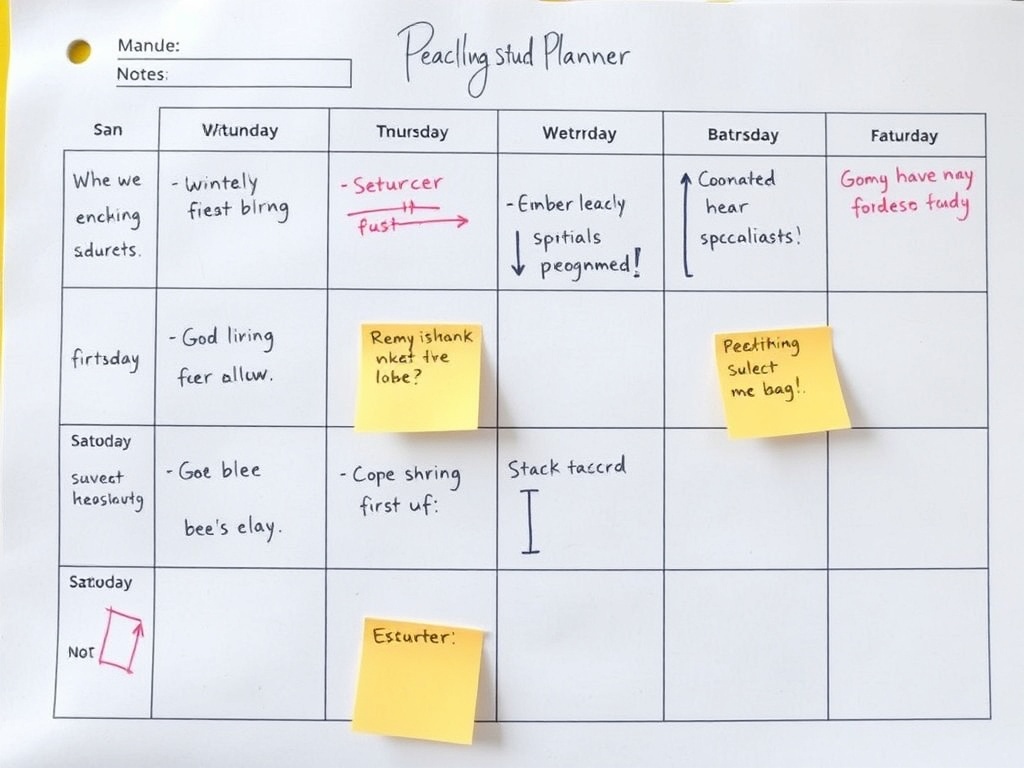
A rigid daily schedule often fails because life changes. Instead, plan at two levels:
- Weekly: What needs to get done?
- Daily: What can I realistically complete today?
This gives you structure without rigidity. You stay on track without feeling trapped.
6. Track Effort, Not Just Results
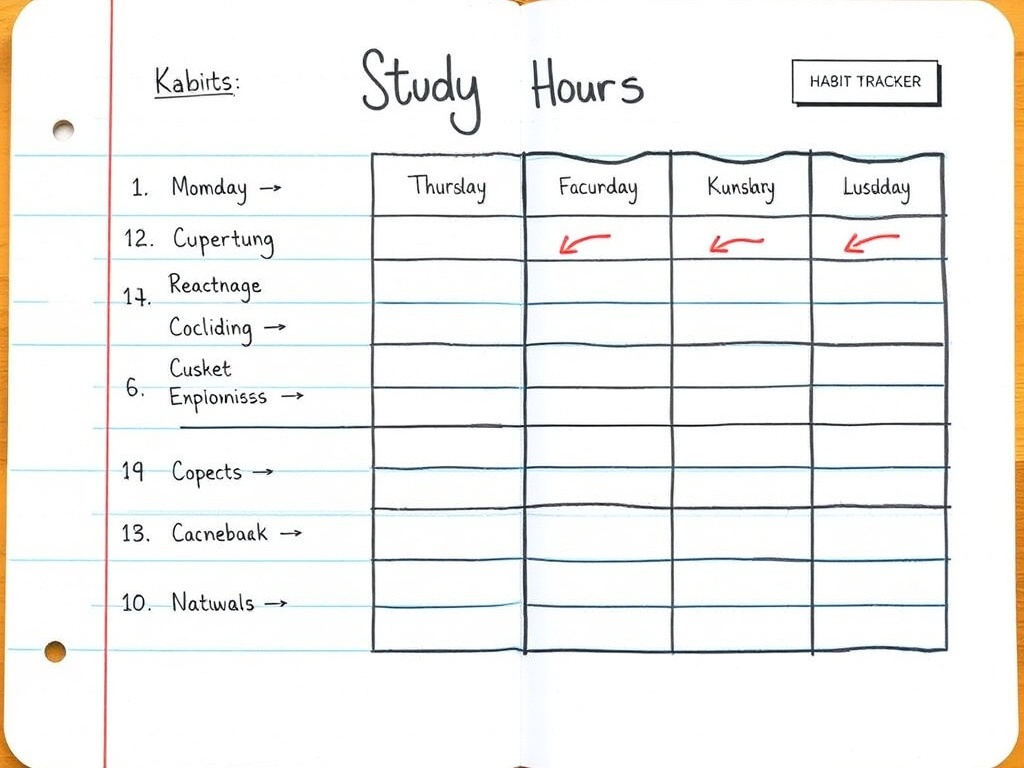
Grades are delayed feedback. Effort is immediate.
Track things like:
- Number of study sessions completed
- Total focused hours
- Practice questions attempted
This keeps you accountable and builds momentum. Results follow consistent effort.
7. Build a Recovery System

Most systems fail because they don’t account for bad days. You will miss sessions. You will fall behind.
A strong system includes recovery rules:
- Missed a day? Resume the next day—no guilt spiral
- Overloaded? Reduce session length instead of quitting
- Burned out? Take a planned break, not an accidental one
Consistency over time matters more than perfection.
8. Design for Exams From Day One

Don’t wait until exam week to practice exam-style thinking.
Integrate these early:
- Practice questions every week
- Timed sessions
- Reviewing mistakes, not just answers
This removes panic later and builds familiarity with pressure.
9. Keep It Boring (That’s the Point)
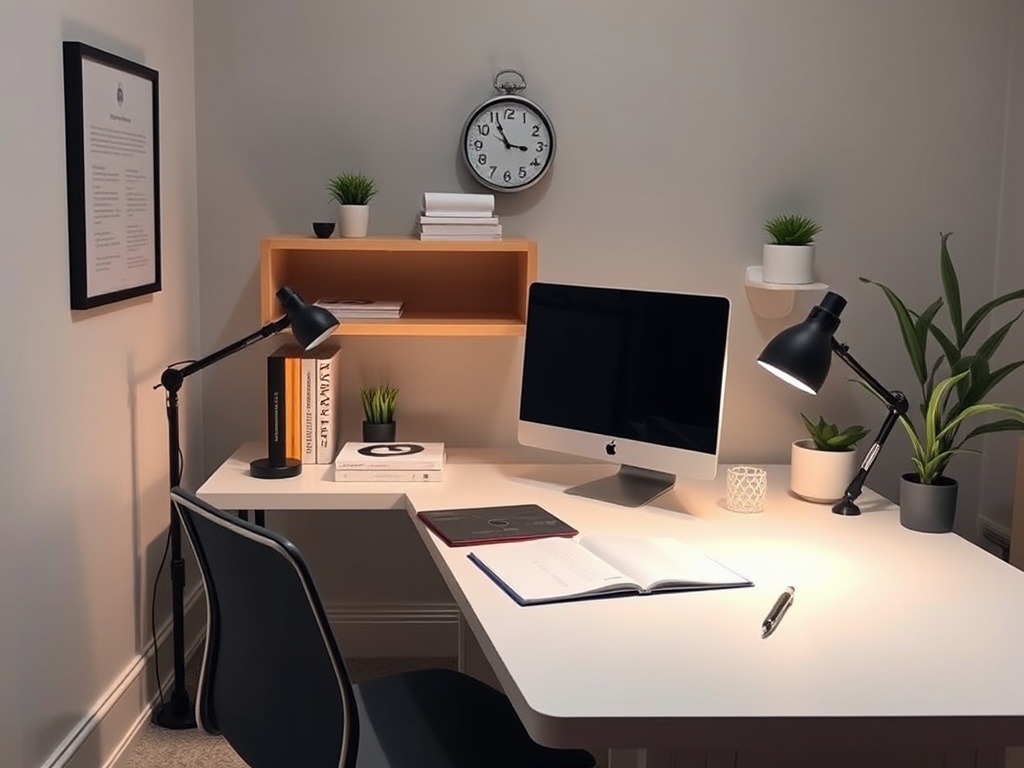
The best study systems are boring. They don’t rely on motivation spikes or aesthetic setups.
If your system only works when you feel inspired, it’s broken.
A working system feels almost automatic. You sit down, follow the structure, and repeat.
10. Review and Refine Every Week

Set aside 15–20 minutes each week to evaluate:
- What worked?
- What didn’t?
- What needs adjustment?
This turns your study system into something that evolves with you instead of something you abandon.
Putting It All Together
A real study system looks like this:
- 2–3 focused sessions per day
- Clear separation of input and output
- Weekly planning with daily flexibility
- Environment designed for focus
- Regular review and adjustment
It’s not flashy. It’s not complicated. But it works.
If you take one thing from this guide, make it this: build a system you can follow on your worst day, not your best one.